
On a typical Tuesday evening, you’re driving home after work. The radio is playing your favorite tune, and your mind is already on dinner plans. Suddenly, everything changes. You hear the screech of tires, feel the impact, and then experience a deafening silence.
Catastrophic injuries strike unexpectedly, altering lives in mere moments. They can stem from serious car accidents, workplace mishaps, or medical crises, leaving not just physical effects but profound changes in one’s life. The individual who woke up that day is drastically different from the one facing the ensuing recovery journey.
If you’re reading this while navigating the aftermath of a catastrophic injury—whether for yourself or a loved one—you may be feeling a mix of confusion and overwhelm. Medical jargon might seem intimidating, insurance paperwork could feel insurmountable, and the uncertainty about what lies ahead is daunting. It’s important to know you’re not alone, and gaining clarity about the road ahead can empower you to face these challenges with more assurance.
What Are Catastrophic Injuries?
Medical experts define catastrophic injuries as those that lead to long-term disability, lasting impairments, or a need for extensive ongoing support. These injuries often include traumatic brain injuries, spinal cord traumas, severe burns, multiple fractures, amputations, and critical organ damage. Their defining characteristic is not just their seriousness but the enduring impact they have on a person’s ability to lead an independent life.
Data paints a stark picture. According to the National Spinal Cord Injury Statistical Center, around 17,900 new spinal cord injuries happen each year across the U.S. Similarly, the Brain Injury Association of America notes that about 5.3 million people are currently affected by disabilities linked to traumatic brain injuries. Each statistic represents an individual whose life trajectory has been irrevocably altered, along with the families who support them.
Many people initially overlook the broader implications of catastrophic injuries. These injuries ripple through various aspects of life—affecting employment, relationships, mental well-being, financial circumstances, and personal identity. An individual who once thrived independently may now find themselves needing help with daily tasks. A primary wage earner might not be able to resume work, while a previously active parent may struggle to engage with their children as they once did.
Navigating the Medical Recovery Process
Being discharged from the hospital often signifies the start of a more challenging chapter rather than the conclusion. You’ve survived the immediate crisis, undergone essential procedures, and reached a level of stability that allows you to go home or to a rehabilitation center. But this is where the real effort begins.
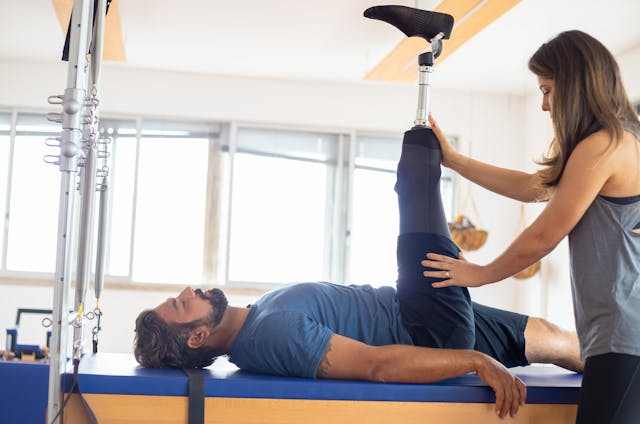
Your recovery will likely require collaboration among several specialists: neurologists, orthopedic surgeons, physical therapists, occupational therapists, speech therapists, psychologists, and pain management experts. While each brings valuable skills, they often lack effective communication among themselves. You will find yourself needing to orchestrate your care while trying to focus on recovery—a daunting task akin to conducting an orchestra while learning to play every instrument.
Physical therapy might be scheduled several times a week, alongside follow-up visits with your surgeon, primary care doctor, and various other specialists. Medications require careful attention, with some needing to be taken at particular times, while medical equipment arrives with minimal instructions. Insurance companies demand documentation for every service, device, and treatment.
This can lead to an overwhelming cognitive load. Many individuals with catastrophic injuries face cognitive challenges too, complicating the organization of their care. Family members often step in to help but may feel ill-equipped and quickly experience burnout trying to balance caregiving with their own responsibilities.
Understanding Insurance Challenges
While the medical recovery process can be intricate, dealing with insurance coverage can feel particularly daunting, often designed to induce confusion and frustration. Your policy documentation can appear as though it were crafted in a foreign language, filled with phrases like “medical necessity,” “usual and customary charges,” “prior authorization,” and “out-of-network benefits,” without adequate explanations.
Insurance companies have financial incentives that may not align with your needs. This can lead to frequent claim denials for services that your healthcare team deems essential. The appeal process demands thorough documentation, specific medical jargon, and a level of perseverance that feels impossible when you’re fatigued and in pain.
Several types of coverage add layers of complexity. If your injury resulted from a vehicle accident, you might find yourself managing personal injury protection, medical payments coverage, and possibly third-party liability claims. Workers’ compensation cases come with distinct rules, timelines, and requirements, and health insurance policies vary greatly regarding long-term care, medical equipment, and rehabilitative services.
Many individuals discover coverage gaps only when claims are blocked. Your policy may cover initial rehabilitation but not the follow-up therapy essential months down the line. It might agree to fund a manual wheelchair but deny a powered version that would enhance your independence. Approvals could extend to pain medications, while complementary treatments to lessen opioid dependency go unrecognized.
Recognizing the Need for Professional Help
At a certain stage in the recovery process, many realize that handling everything alone is not viable. Acknowledging this need is not a sign of weakness; it’s a realistic recognition of the complex nature of your situation and the limitations all individuals face when managing recovery from a catastrophic injury.
Professional resources aimed at navigating intricate medical scenarios exist precisely because the healthcare system has become overwhelming for individuals and families. These services coordinate multidisciplinary care, ensure you receive necessary treatments, facilitate insurance communications, and advocate for you during the recovery process.
In Michigan, accident cases often require specialists who thoroughly understand the state’s No-Fault insurance laws. These professionals are adept at documenting medical needs, submitting claims correctly, appealing rejections effectively, and ensuring you make the most of the benefits available to you. Firms like Feinberg Consulting offer Certified Case Managers who focus on catastrophic injury cases, combining medical knowledge with insurance expertise to aid your recovery.
The importance of professional case management becomes particularly clear when injuries involve multiple systems, necessitate collaboration between various specialists, or present intricate insurance challenges. These advocates guide you through an often convoluted system that doesn’t prioritize patient needs.
Assembling Your Recovery Support Team
Successful recovery from a catastrophic injury hinges on assembling a support network of professionals who understand your unique requirements and work together toward common objectives. This network should encompass more than just medical providers; legal, financial, and practical support is critical too.
Your medical team serves as the foundation. In addition to your primary care doctor and specialists, you might benefit from consulting with rehabilitation medicine doctors (physiatrists) who specialize in optimizing function after injury. Neuropsychologists can evaluate cognitive shifts and recommend coping strategies. Pain management experts can suggest alternatives to long-term opioid use. Mental health professionals can assist you in dealing with the emotional repercussions of your injury and aid in developing effective coping mechanisms for future challenges.
If your injury was the result of someone else’s negligence or raises complex questions of liability, legal representation is essential. Personal injury attorneys who specialize in catastrophic cases understand the long-term financial implications of your injuries, fighting for settlements that address your lifetime needs rather than just immediate costs. They negotiate with insurance firms so you can devote your energies to healing.
Financial advisors knowledgeable in disability planning can assist you in managing settlements, structuring payments in a tax-efficient manner, and planning for future care requirements. They can inform you about governmental benefits you may qualify for, and help you navigate how accepting those benefits affects your overall financial status.
Vocational rehabilitation specialists evaluate your capacity to return to your previous occupation, the accommodations you might require, or whether considering retraining for a different field would be beneficial. They are well-versed in disability employment laws, can negotiate with employers on your behalf, and help you preserve financial independence when possible.

The Emotional Toll of Recovery
While much of the immediate aftermath of a catastrophic injury focuses on physical recovery, the emotional and psychological impacts often prove even more challenging and long-lasting. You’re not merely healing physically; you’re also reconstructing your identity.
Grief comes in waves. You mourn the life you once led, the future you envisioned, the activities you cherished, and the independence you previously enjoyed. This grief is valid and necessary. Though others may encourage you to “stay positive” or “be thankful for your survival,” such platitudes can feel dismissive. It is possible to appreciate being alive while still grieving for what has been lost; both emotions can coexist.
Depression and anxiety frequently accompany catastrophic injuries. Research highlights alarming statistics: studies indicate that up to 50% of individuals with traumatic brain injuries grapple with depression, and similar rates occur with spinal cord injuries and other life-altering trauma. These feelings are not a sign of weakness or character flaws; they are normal reactions to extraordinary situations, compounded by neurological effects of the injury and medications.
Your relationships may shift, sometimes in distressing ways. Friends might withdraw, unable to face the reality of your changed circumstances or unsure of how to relate to you now. Family members may step into caregiver roles, altering dynamics that once functioned on equal footing. Marriages can experience significant strain as daily life, intimacy, and interactions change drastically.
Reconstructing your identity takes time, often requiring professional assistance. Who are you without the work that shaped your identity? How do you perceive yourself when your physical capabilities no longer resemble what they used to? What does independence signify when you require help with personal care? These are complex questions without straightforward answers, making it critical to explore them with a therapist experienced in catastrophic injury.
Strategies for Daily Life Management
As you work on the broader aspects of recovery and coordination, daily life will still demand your attention. Developing systems for managing the practical elements of your new reality can alleviate stress and create room for healing.
Consider establishing a centralized medical binder or digital platform to compile essential information: medication lists with dosages and schedules, provider contact details, insurance policy numbers, appointment calendars, and copies of important medical documents. This organization ensures you have everything readily available, especially during urgent situations. Update this regularly and share it with family members who may need it in emergencies.
Implement medication management techniques tailored to your cognitive and physical capabilities. Pill organizers can be helpful, but you might also set up phone alarms, use medication management apps, or consult your pharmacy about packaging that sorts medications by time of day. If cognitive challenges are present, have someone routinely confirm your system is working effectively.
Incorporate rest and pacing strategies into your routine. Recovery from a catastrophic injury is rarely linear, and trying to maintain your pre-injury pace can be counterproductive. Learn to recognize and respect your energy limits, scheduling demanding tasks for times when you typically feel more energetic and allowing for recovery after visits or social events.
Adjust your surroundings to align with your current abilities rather than resisting your limitations. Occupational therapists can evaluate your home and suggest adaptive equipment and modifications that enhance safety and independence. Adapting your environment is not a sign of giving up; it’s a practical step to conserve energy for the activities that matter most.
Accepting help is crucial; however, communicate clearly about your needs. People genuinely wish to support you but might be uncertain about how to assist meaningfully. Instead of declining their offers or claiming “I’m fine,” specify tasks: “Can you pick up my prescriptions on Thursday?” or “Would you mind driving me to my physical therapy session next week?” Most will appreciate knowing how they can help.
Adapting for the Long-Term
Recovering from a catastrophic injury is not about reverting to your pre-injury self. That individual, that life, and that future no longer exist. Accepting this painful truth allows the opportunity to create something new. Though your injury has permanently altered you, it does not diminish the value, purpose, or joy in your life.
Long-term adaptation requires continual adjustments to your expectations, strategies, and goals as your circumstances change. The person you become five years post-injury will differ from who you are today, just as you are not the same as you were right after your injury. This natural progression is both normal and healthy.
Set achievable goals that reflect both your abilities and limitations. You might not be able to run marathons again, but perhaps you can engage in adaptive sports. You may not revisit your former job but could discover fulfilling work that accommodates your current abilities. Assistance with personal care might be necessary, yet you can still make informed decisions about your life, nurture relationships, and contribute to your community.
Recognize and celebrate small successes, for they represent substantial effort. Standing for 30 seconds longer than last week. Remembering to take all medications without reminders. Having the energy to join a friend’s gathering—these achievements matter profoundly, even if they seem trivial to those who haven’t faced catastrophic injuries.
Connect with peers who understand your experience. Support groups, either in-person or online, can provide validation and practical insights from individuals who have navigated similar challenges. They remind you that you are not alone, that your struggles are legitimate, and that life after a catastrophic injury can still be meaningful and satisfying.
Moving Forward with Purpose
Your catastrophic injury has led you onto a path you never desired. This challenge was not of your choosing, and it’s not fair that you’re facing it. Recognizing this truth is vital, as it affirms both your experience and the genuine difficulty of your journey.
However, within this uncharted reality, you still wield choices. You can choose to build a support network that genuinely meets your needs. You can choose to stand up for yourself, even when it feels exhausting. You can choose to mourn your losses while remaining open to unforeseen opportunities. You can choose to define your own recovery journey instead of conforming to someone else’s expectations or timelines.
The road ahead is likely to be long and filled with uncertainty. Some days may seem insurmountable. You’ll experience setbacks that may leave you feeling crushed, alongside small victories that may appear insignificant. You’ll have to navigate systems seemingly designed to frustrate you and encounter individuals who misunderstand your experiences.
Yet, you will also uncover strength you never knew you possessed. You will find supporters who consistently show up, adapt in ways that surprise you, and create a life that, while different from what you had envisioned, holds its unique value and meaning.
Your injury changed everything in an instant. Your recovery will unfold gradually, over the months and years to come. Both of these truths coexist—they deserve respect and acknowledgment. Both are integral to your story now, a narrative still in progress, evolving one day at a time.
About The Author
