
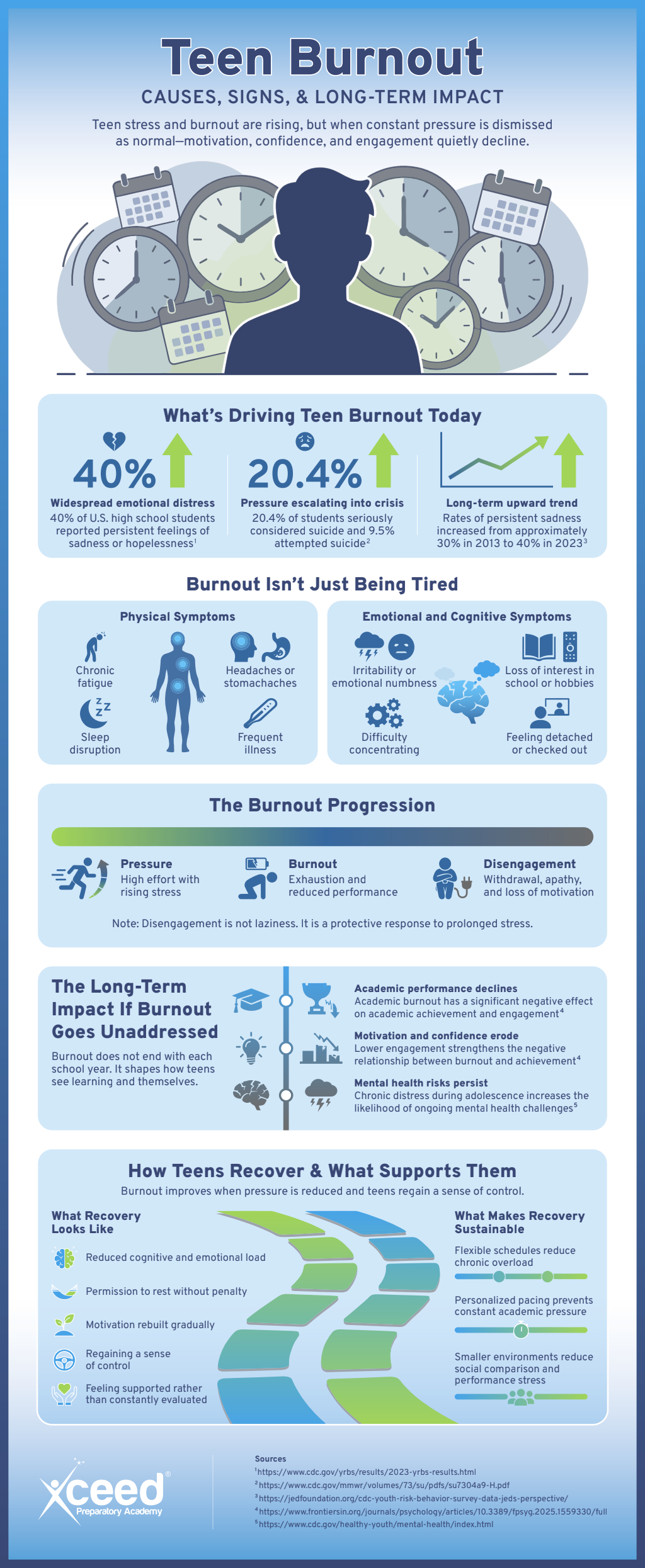
Teen burnout transcends mere moments of stress experienced before exams or significant events. It represents a persistent state of emotional, mental, and physical exhaustion arising from prolonged stress without sufficient recovery time. As adolescents navigate academic pressures, social expectations, and planning for the future, they are also experiencing significant physical and mental development. Continuous exposure to these pressures can result in burnout, potentially impacting long-term health outcomes.
Primary Contributors to Teen Burnout
One of the main factors contributing to teen burnout is the academic workload. The combination of heavy assignments, advanced coursework, and the pressure to excel can create a persistent strain. Both public and private school students often find themselves in a competitive environment, leading to anxiety about maintaining their grades.
Another factor is overscheduling. Many teenagers find their days filled with school, sports practices, extracurricular clubs, tutoring sessions, or part-time jobs, leaving little time for rest. Such packed schedules limit opportunities for relaxation and self-reflection, resulting in accumulated stress.
Social pressures further complicate the situation. The influence of social media can heighten feelings of comparison and anxiety regarding one’s performance. Adolescents might feel compelled to project an idealized version of themselves, all while balancing intricate peer relationships both online and offline.
Additionally, familial expectations can inadvertently escalate pressure levels. When a teen feels that their worth or familial love hinges on their achievements, they may push themselves beyond healthy limits. This continual pursuit of success can ultimately sap their motivation and enjoyment.
Recognizing Early Symptoms
Burnout typically manifests gradually. Emotional exhaustion often emerges as an early indicator, with teens displaying irritability, hopelessness, or a feeling of ineffectiveness. Activities that previously brought joy may start to seem pointless.
Physical symptoms are also prevalent; frequent headaches, stomach issues, and altered sleep patterns are common among affected teens. Some may find it challenging to fall asleep due to racing thoughts, while others may sleep excessively yet still wake feeling fatigued.
Cognitive symptoms might develop as well. Teens may experience difficulties with concentration, memory lapses, and declining academic performance, which can stem from mental overload rather than a lack of ability. Withdrawal from friends and family can also indicate that emotional reserves are running low.
Long-Term Effects on Health and Growth
Failure to address burnout can significantly influence a teenager’s mental health trajectory. Ongoing stress during adolescence has been correlated with a heightened risk of anxiety and depression in later life. When the body’s stress response remains heightened for extended periods, it can disrupt mood regulation and resilience.
Moreover, motivation can take a hit. Teens who associate effort with fatigue may disengage from school or future aspirations, leading to a pattern that continues into college or professional environments, thereby stifling personal growth and fulfillment.
The implications on physical health are also concerning. Persistent stress can interfere with sleep, weaken the immune system, and promote unhealthy habits, such as overeating or substance use. These behaviors may carry into adulthood, affecting long-term health.
Teen burnout signifies a misalignment between demands and recovery. Early detection enables families, educators, and health professionals to implement schedule modifications, provide emotional support, and establish realistic expectations. Promoting healthy sleep, physical activity, and transparent communication can help reestablish equilibrium. Effectively addressing burnout during adolescence fosters improved mental health, adaptive coping mechanisms, and enhanced long-term well-being.
For further insights into teen burnout, please refer to the accompanying resource below.
About The Author
